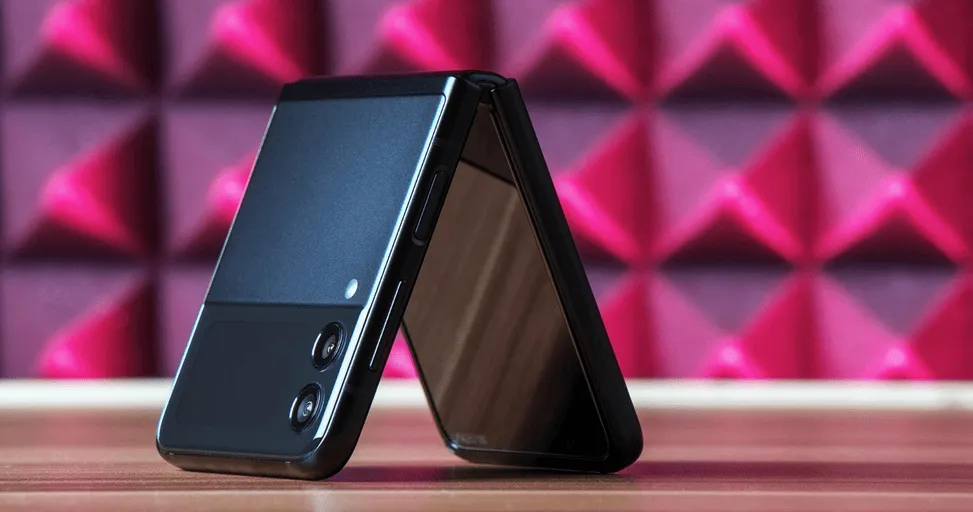
Are Foldable Phones Finally Practical in 2026?
Foldable phones have been around for several years, but many consumers still wonder whether they are practical enough for everyday use. In 2026, improvements in durability, software, battery life, and overall user experience have changed the conversation. Here’s why foldable phones are finally becoming a realistic option for more people.
I still remember the first time I saw a foldable phone. My reaction was probably the same as most people. “That’s pretty cool.” And then almost immediately: “But would I actually buy one?”
That was the challenge foldable phones faced from the beginning. People were fascinated by them. They watched review videos. They shared photos online. They unfolded them in stores just to see how they worked. But when it came time to upgrade their phone, most people stuck with what they knew.
A traditional smartphone felt safer.
More practical.
More familiar.
And honestly, it was difficult to argue with that decision. Early foldable phones looked impressive, but they also raised a lot of questions.
People had plenty of questions. Would the screen last? Would the hinge wear out over time? What would happen if the device dropped? And perhaps most importantly, was it really worth paying extra for a phone that folded in half?
Fast forward to 2026, and the conversation feels very different. For the first time, foldable phones seem less like a technology experiment and more like a genuine option for everyday users. That doesn’t mean everyone suddenly wants one. But it does mean many people are finally taking them seriously.
The Curiosity Phase Is Over
When foldable phones first arrived, most of the attention came from the fact that they were different. People unfolded them because they could. The folding screen was the attraction. The novelty was the selling point. But novelty only lasts so long. Eventually, people start asking practical questions.
How does it fit into daily life?
Does it actually make anything easier?
Is it better than the phone I already have?
That’s where foldable phones struggled for a while. They were interesting. But many people weren’t convinced they were useful. What’s changed in 2026 is that manufacturers have spent years improving the experience.
The excitement is no longer about the fold itself. It’s about what that extra screen space allows you to do. And that’s a much stronger reason to buy something.
The Bigger Screen Starts Making Sense
One thing I’ve noticed when talking to people who own foldable phones is that they rarely talk about the folding part after a few weeks.
Instead, they talk about the screen. Reading articles feels easier. Watching videos feels better. Browsing websites feels less cramped. Multitasking becomes more practical. Video calls feel more comfortable. The folding feature becomes normal surprisingly quickly. The larger display becomes the thing people actually appreciate.
Think about how much time most of us spend looking at our phones every day.
Messages
Emails
Social media
Videos
News articles
Shopping
Banking
Work
When you spend that many hours staring at a screen, having more screen space starts to feel useful rather than unnecessary.
They Feel Less Fragile Than Before
One reason many people avoided foldable phones was fear. Not fear of technology. Fear of breaking an expensive device. The first generation of foldables didn’t exactly inspire confidence.
The screens felt delicate. The hinges raised questions. People worried about dust, scratches, and long-term durability. And considering the price tags, those concerns were understandable. Today, foldable phones feel much more mature.
The hinges are stronger.
The materials feel more durable.
The overall build quality has improved significantly.
Are they indestructible? Of course not. Neither is any flagship smartphone. But they no longer feel like fragile prototypes. They feel like products designed for everyday use. And that change matters more than people realize.
The Software Finally Feels Ready
Hardware wasn’t the only challenge. Software had some catching up to do as well. A folding screen creates unique situations. Apps need to resize smoothly. The interface needs to adapt instantly. Multitasking becomes more important. Several years ago, those experiences weren’t always seamless.
Sometimes, apps looked awkward.
Sometimes transitions felt clunky.
Sometimes it felt like the software wasn’t sure what to do.
Thankfully, that’s improved dramatically. Developers have had time to optimize their apps. Operating systems understand foldable devices much better now. The experience feels more polished. More natural. More complete. And when technology works the way people expect it to, adoption tends to follow.
Battery Life Isn’t the Problem People Expected
One concern many people had was battery life. The logic seemed simple. Bigger screen equals bigger battery drain. And in theory, that’s true. But phone manufacturers have become very good at improving efficiency.
Processors consume less power.
Software manages resources more intelligently.
Battery technology continues to improve.
As a result, battery life on modern foldables is far better than many people expected. For most users, getting through a normal day isn’t the challenge it once was. And that’s important because battery anxiety is one of the quickest ways to ruin an otherwise great device.
The Price Still Makes People Pause
Let’s talk about the elephant in the room. Foldable phones are still expensive. There’s no getting around that. For many people, the price remains the biggest obstacle.
And honestly, that’s understandable. When traditional smartphones already perform extremely well, spending significantly more money requires a good reason. But I’ve noticed something interesting. People are talking less about whether foldables are overpriced and more about whether the benefits are worth it. That’s progress.
Because it means the technology has matured enough for people to evaluate it seriously. The conversation is no longer: “Why would anyone buy this?”
It’s: “Would this work for me?” That’s a much healthier place for any new technology to be.
Not Everyone Needs a Foldable Phone
Here’s something that often gets lost in technology discussions. A product doesn’t need to be right for everyone to be successful. Some people are perfectly happy with traditional smartphones.
They use their phone for calls, messaging, social media, and occasional browsing. A standard device handles those tasks perfectly well. And there’s absolutely nothing wrong with that. Foldable phones aren’t replacing traditional phones. They’re creating another option.
For people who consume lots of content.
For people who multitask frequently.
For people who want tablet-like screen space without carrying a separate tablet.
Those users may find foldables genuinely useful. And that’s enough.
The Most Important Change Is That People Are Taking Them Seriously
Perhaps the biggest sign that foldable phones have matured is that people are no longer treating them like a novelty. They’re comparing them to traditional smartphones. Evaluating their strengths. Considering them during upgrades. Asking practical questions.
That’s what happens when a technology starts becoming mainstream. The excitement shifts away from the technology itself and toward the benefits it provides. And that’s exactly what’s happening here.
Looking Ahead
Will foldable phones dominate the smartphone market in the next few years? Probably not. Traditional smartphones aren’t going anywhere. They’re familiar, reliable, and often more affordable.
But foldable phones have reached an important point in their journey. They’re no longer devices people buy just to show off something futuristic. They’re becoming devices people buy because they genuinely fit their lifestyle.
And honestly, that’s probably the strongest sign yet that foldable phones are finally practical in 2026.
Not because they’re perfect.
Not because everyone needs one.
But because they’re finally solving real problems for real people.
Trending Blogs
Best Android Settings to Change After Buying a New...
Set up your new Android phone properly with key settings for notifications, permissions, display, security, backup, and battery.
iOS vs Android in 2026: Which Is Better for You?
Learn the practical differences between iPhone and Android phones so users can decide which platform fits their needs better.
Best iPhone Settings to Change for Privacy in 2026
Improve iPhone privacy by reviewing app permissions, location sharing, ad tracking, Safari settings, and security recommendations.
Apple Intelligence in iOS: What It Can Actually Do
Explore what Apple Intelligence can do on supported iPhones and how it may improve productivity, communication, and personalization.
iOS 26 Features Explained for Everyday iPhone User...
Learn how iOS 26 changes the iPhone experience with updated visuals, smarter tools, better communication, and everyday convenience features.
Android Foldables: What Users Should Know Before B...
Compare foldable phone benefits and drawbacks, including screen durability, app support, multitasking, battery life, cameras, and price.