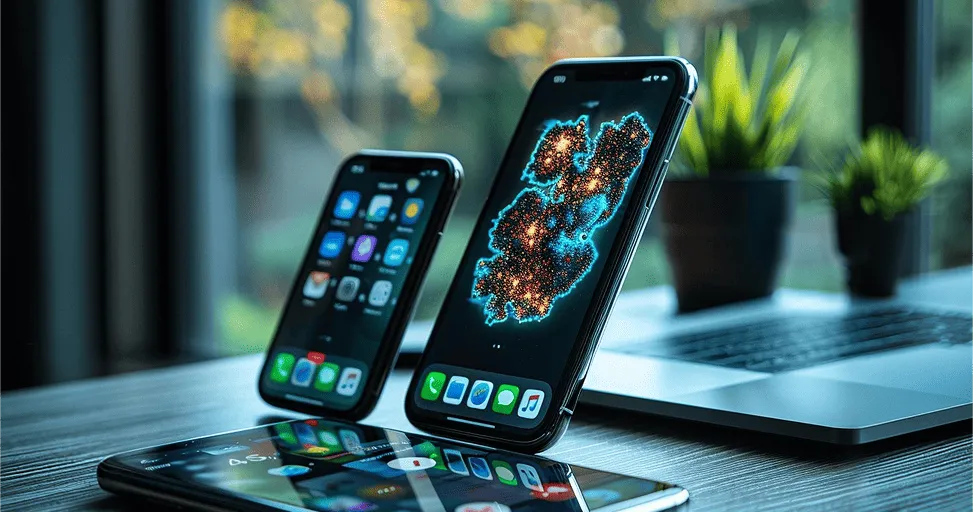
iOS vs Android in 2026: Which Is Better for You?
Few tech arguments seem to last forever, but the iPhone versus Android debate somehow manages to survive every year. Ask a group of friends which phone is better, and chances are the conversation will quickly turn into a friendly argument. iPhone users will talk about how smooth everything feels. Android users will explain why they would never give up the freedom to customize their phones.
The funny thing is that in 2026, both sides are usually right. Smartphones have improved so much over the years that there isn’t really a bad choice anymore. Whether you pick an iPhone or an Android device, you’re getting a powerful phone capable of handling work, entertainment, photography, social media, navigation, and pretty much everything else most people do every day.
That means the question isn’t necessarily which platform is better. The real question is which one fits your habits better.
The Gap Isn’t as Big as It Used to Be
There was a time when choosing between iPhone and Android felt like choosing between two completely different worlds. Android offered features that iPhones didn’t have. Apple offered experiences Android couldn’t match. The differences were obvious.
Today, things are much closer. Both platforms have excellent cameras. Both support AI-powered features. Both offer strong security. Both have millions of apps. Both can handle demanding tasks without breaking a sweat.
For the average person, either platform will do almost everything they need. That’s why the decision has become more personal than technical.
Why Some People Never Leave the iPhone
If you’ve ever met someone who has used iPhones for ten years straight, you’ve probably heard a similar reason. Everything just works the way they expect it to.
That may sound simple, but it’s actually one of Apple’s biggest strengths.
The setup process is straightforward.
The interface feels familiar.
Updates arrive regularly.
And if you also own a MacBook, iPad, Apple Watch, or AirPods, everything connects with very little effort. For many people, that’s incredibly valuable. They don’t want to spend time adjusting settings or troubleshooting problems. They simply want a phone that feels consistent every day. And that’s where Apple continues to do well.
Android Gives You More Choices
One thing Android has always done better is variety. Walk into a phone store and look at the Android section. You’ll find budget phones.
Premium phones.
Gaming phones.
Foldable phones.
Phones with giant batteries.
Phones with incredible cameras.
Phones at almost every price point imaginable.
Apple doesn’t really offer that level of choice. If you want iOS, you’re buying an iPhone. With Android, you can choose the brand, size, design, features, and budget that fit your needs. For some buyers, that flexibility is a huge advantage.
Android Feels More Personal
One reason Android users tend to stay loyal is customization. Some people genuinely enjoy making their phones feel unique.
-
Changing launchers.
-
Adding widgets.
-
Customizing icons.
-
Adjusting layouts.
-
Using different default apps.
-
Creating shortcuts and automations.
Android allows much more freedom in this area. For someone who enjoys tweaking and personalizing technology, that flexibility can be hard to give up.
An iPhone may feel polished. An Android phone often feels personal. And those are two very different experiences.
Apple’s Ecosystem Is Hard to Beat
Let’s imagine two people buying a new phone. The first person owns a MacBook, an Apple Watch, AirPods, and an iPad. The second person only needs a smartphone. The first person is probably going to find an iPhone very appealing. That’s because Apple’s ecosystem has become one of its biggest strengths.
Messages sync across devices.
Photos appear everywhere automatically.
Calls can be answered on multiple devices.
Files move effortlessly between products.
After a while, you stop thinking about it because everything works together naturally. That’s one reason many people stay with Apple once they’ve entered the ecosystem. Leaving means giving up the conveniences they’ve become used to.
AI Is Becoming a Bigger Part of the Decision
A few years ago, nobody bought a phone because of artificial intelligence. Today, that’s starting to change. AI is showing up in search, photography, writing tools, productivity apps, and voice assistants.
Android manufacturers have moved aggressively in this area, particularly with Gemini AI integration. Many Android phones can summarize information, help with writing, organize content, and assist with everyday tasks directly through the operating system.
Apple is also expanding Apple Intelligence, but Android currently feels slightly more adventurous when it comes to AI features. If you enjoy trying the latest technology, Android may feel a little more exciting right now.
Camera Quality Is Mostly a Matter of Preference
People often ask which platform takes better photos. The answer has become surprisingly complicated. A few years ago, there were clearer differences.
Today, flagship phones from both sides produce fantastic images. Some people prefer the natural look often associated with iPhones. Others prefer the vibrant colors and processing styles found on certain Android devices.
For most users, both platforms deliver photo quality that’s far beyond what they actually need. At this point, camera quality usually comes down to individual models rather than the operating system itself.
Price Matters More Than Many Reviews Admit
Technology websites often focus on premium devices. The reality is that many people have a budget. And that’s where Android has a major advantage.
Whether you’re spending a modest amount or looking for a top-tier flagship, Android offers options at almost every price range. Apple has introduced more affordable models over the years, but its lineup still leans toward the premium end of the market. For budget-conscious buyers, Android simply provides more flexibility.
Most People Would Be Happy With Either
This is probably the most important point. Many buyers spend weeks comparing specifications, reading reviews, and watching comparison videos.
Then they finally choose a phone. A month later, they’re perfectly happy with it. That’s because both platforms have matured tremendously. The differences that dominate online debates often matter far less in everyday life.
People adapt quickly.
They learn where things are.
They develop routines.
And before long, the phone simply becomes part of daily life.
So Which One Should You Choose?
If you already use Apple products and enjoy a simple, connected experience, an iPhone is usually the easiest choice. If you like customization, want more hardware options, or enjoy exploring new features, Android is often the better fit.
Neither platform is objectively superior. They’re simply designed with slightly different priorities. One focuses on consistency and simplicity. The other focuses on flexibility and choice.
Final Thoughts
The iPhone versus Android debate will probably continue for many years. Not because one side keeps winning. But because both platforms have become incredibly good.
Most people aren’t choosing between a good phone and a bad phone anymore. They’re choosing between two excellent experiences that approach technology in different ways. The best smartphone isn’t necessarily the one with the most features or the highest benchmark scores. It’s the one that fits naturally into your daily life.
And for most people, that’s a much more useful way to decide on which logo appears on the back of the phone.
Trending Blogs
Best Android Settings to Change After Buying a New...
Set up your new Android phone properly with key settings for notifications, permissions, display, security, backup, and battery.
Best iPhone Settings to Change for Privacy in 2026
Improve iPhone privacy by reviewing app permissions, location sharing, ad tracking, Safari settings, and security recommendations.
Apple Intelligence in iOS: What It Can Actually Do
Explore what Apple Intelligence can do on supported iPhones and how it may improve productivity, communication, and personalization.
iOS 26 Features Explained for Everyday iPhone User...
Learn how iOS 26 changes the iPhone experience with updated visuals, smarter tools, better communication, and everyday convenience features.
Android Foldables: What Users Should Know Before B...
Compare foldable phone benefits and drawbacks, including screen durability, app support, multitasking, battery life, cameras, and price.
How to Make an Android Phone Feel Faster Without U...
Learn how to reduce lag by managing storage, apps, animations, background activity, updates, and battery settings.