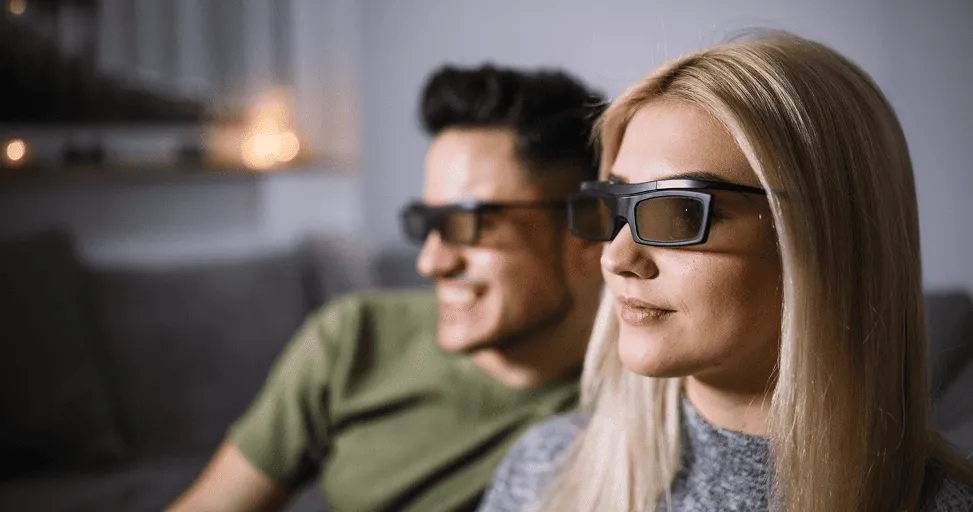
Best Smart Glasses for Everyday Users in 2026
I think most people have had the same reaction when they first see smart glasses. “That’s pretty cool.” Followed almost immediately by: “But would I actually wear them?” For years, that was the biggest problem. The technology looked impressive. The demonstrations looked futuristic. The marketing promised a glimpse into the future. But when it came time to spend money, most people simply kept using their smartphones.
And, it’s hard to blame them. Early smart glasses often felt more like technology experiments than products designed for everyday life.
Some were bulky, some looked strange, and many simply too expensive. And many people couldn’t figure out why they needed them in the first place. Fast forward to 2026, and things are starting to feel different.
Smart glasses still aren’t as common as smartphones or smartwatches, but they’re finally reaching a point where ordinary people can look at them and say: “Okay, I can actually see myself using that.” And that’s a much bigger milestone than it sounds. Because technology only becomes successful when it moves beyond being interesting and starts becoming useful.
Smart Glasses Are Solving Real Problems Now
One thing I've noticed over the years is that the most successful gadgets usually solve simple everyday problems rather than trying to reinvent everything.
Think about how often you pull out your phone every day to: check directions, read a notification, reply to a message, change a song, look up information, or check your calendar.
Most of these interactions only take a few seconds. But they happen constantly. Smart glasses are trying to remove some of those interruptions. Instead of reaching into your pocket every few minutes, information appears when you need it. That’s what makes them feel more practical than they did a few years ago. The focus has shifted from showing off technology to making everyday tasks easier.
Ray-Ban Meta Glasses Feel the Most Normal
One reason Ray-Ban Meta smart glasses have attracted so much attention is that they don’t immediately scream “technology.” They look like regular glasses. And honestly, that matters more than people realize. Most people don’t want to wear something that makes them feel like they’re starring in a science-fiction movie.
They want something comfortable. Something familiar. Something they can wear without attracting attention. Ray-Ban Meta glasses do a pretty good job of that. You can:
- Listen to music
- Take calls
- Capture photos
- Record videos
- Use voice commands
And all of it happens without pulling out your phone. What’s interesting is that many users say the biggest benefit isn’t any single feature. It’s the convenience of having those features available naturally throughout the day.
XREAL Glasses Are Great for People Who Love Screens
Now let’s talk about a completely different type of smart glasses. XREAL isn’t really trying to replace traditional glasses. Instead, it’s creating a portable entertainment experience. Imagine carrying what feels like a giant screen wherever you go. Watching movies on flights. Playing games. Working on documents. Viewing content without needing a large monitor.
That’s where XREAL glasses have found an audience. I’ve seen travelers become particularly interested in this idea. Anyone who has spent hours staring at a small laptop screen during a trip can understand the appeal. They’re not necessarily for everyone.
But if you consume a lot of content, they’re definitely one of the more interesting options available right now.
Travelers Might Benefit the Most
One area where smart glasses are becoming genuinely exciting is travel. Travel is fun. Travel can also be stressful. Especially when you’re navigating unfamiliar places.
Different languages
Different transportation systems
Different signs
Different customs
Smart glasses are beginning to help with some of those challenges. Real-time translation features continue improving. Navigation feels more natural. Information becomes easier to access without constantly looking down at a phone. We’re not quite living in a science-fiction movie yet. But we’re definitely getting closer to technology that makes traveling feel easier. And for frequent travelers, that’s a very attractive idea.
AI Is Quietly Making Everything Better
You can’t talk about technology in 2026 without mentioning AI. It’s everywhere. Smart glasses are no exception. But here’s what’s interesting. Most people don’t care about the AI itself. They care about what it does.
Can it answer questions quickly?
Can it identify something they’re looking at?
Can it help translate a conversation?
Can it provide useful information at the right moment?
That’s where AI becomes valuable. Not because it’s impressive. Because it’s helpful. The best technology often works quietly in the background. And that’s exactly what AI is starting to do inside smart glasses.
Comfort Matters More Than Features
Nobody cares how advanced a device is if it’s uncomfortable. You can have the smartest glasses in the world. But if they feel heavy after twenty minutes, people won’t wear them. This is one area where manufacturers have clearly learned from the past. Modern smart glasses are becoming lighter. More stylish. More comfortable. And more practical for everyday use.
That may not sound exciting compared to AI features and futuristic capabilities. But it’s actually one of the most important improvements. Because a gadget only becomes useful when people genuinely want to use it.
Battery Life Is Finally Improving
Battery life has always been a challenge for wearable technology. People don’t want another device that constantly needs charging. Thankfully, things are improving. Most smart glasses still won’t last several days.
But many now offer enough battery life to comfortably get through normal daily activities. And that’s really what people want. Not perfection. Reliability. If a device consistently lasts throughout the day, most users are happy.
The Biggest Change Is How People Think About Smart Glasses
Perhaps the most important thing happening right now isn’t technical at all. It’s psychological. People are starting to take smart glasses seriously. A few years ago, they were a novelty. A curiosity. Something fun to watch in product videos.
Today, more people are evaluating them as actual products. They’re asking practical questions.
Could these help while traveling?
Would they make commuting easier?
Could they reduce how often I check my phone?
Would they improve productivity?
Those are real-world questions. And when consumers start asking real-world questions, technology usually begins moving into the mainstream.
Smart Glasses Probably Won’t Replace Your Phone
At least not anytime soon. And, they don’t need to. Smartphones are incredibly useful. They’re familiar. They’re powerful. They’re already integrated into our daily lives.
Smart glasses aren’t trying to replace them. They’re trying to complement them. Think of them as another tool. One that helps you access information faster, stay connected more naturally, and spend a little less time staring at a screen.
That’s a much more realistic goal. And probably a much smarter one.
Final Thoughts
The best smart glasses in 2026 aren’t necessarily the ones with the most features. They’re the ones that fit naturally into everyday life. The ones that help without becoming distracting. The ones that save a little time. Reduce a little frustration. And make certain tasks feel easier.
What’s exciting is that smart glasses are becoming more futuristic. It’s that they’re becoming more practical. For years, people looked at smart glasses and wondered why they existed. Now, more people are starting to see where they might fit into their daily lives. And, that’s probably the strongest sign yet that smart glasses are finally growing up.
Trending Blogs
Best Android Settings to Change After Buying a New...
Set up your new Android phone properly with key settings for notifications, permissions, display, security, backup, and battery.
iOS vs Android in 2026: Which Is Better for You?
Learn the practical differences between iPhone and Android phones so users can decide which platform fits their needs better.
Best iPhone Settings to Change for Privacy in 2026
Improve iPhone privacy by reviewing app permissions, location sharing, ad tracking, Safari settings, and security recommendations.
Apple Intelligence in iOS: What It Can Actually Do
Explore what Apple Intelligence can do on supported iPhones and how it may improve productivity, communication, and personalization.
iOS 26 Features Explained for Everyday iPhone User...
Learn how iOS 26 changes the iPhone experience with updated visuals, smarter tools, better communication, and everyday convenience features.
Android Foldables: What Users Should Know Before B...
Compare foldable phone benefits and drawbacks, including screen durability, app support, multitasking, battery life, cameras, and price.