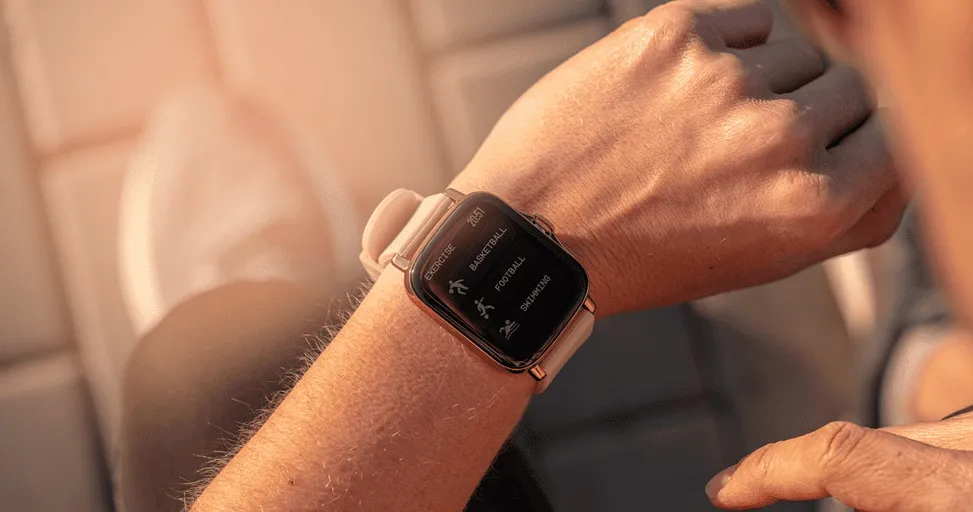
Best Smartwatch Features That Matter for Daily Use
A few years ago, smartwatches felt like one of those gadgets people bought because they looked cool. You’d see someone wearing one and think, “That’s interesting.”
But a lot of people weren’t completely convinced they actually needed one. After all, most of us already carry a smartphone everywhere. Why would we need a smaller screen attached to our wrist? That was a fair question at the time.
Fast forward to 2026, and smartwatches have become part of everyday life for millions of people. Walk into an office, gym, airport, or coffee shop, and you’ll see them everywhere.
What’s interesting is that people aren’t buying smartwatches because they’re obsessed with technology. They’re buying them because they make everyday tasks a little easier.
And honestly, that’s usually what determines whether a gadget succeeds or disappears. Not how futuristic it looks. But how useful it feels on an ordinary Tuesday afternoon.
Notifications Without Constantly Reaching for Your Phone
Let’s start with the feature most smartwatch owners use every single day. Notifications. Think about how many times your phone buzzes throughout the day, from text messages and emails to calendar reminders, delivery updates, missed calls, and social media alerts.
Most of the time, you’re not responding immediately. You’re simply checking whether it’s important. That’s where a smartwatch becomes surprisingly useful. Instead of pulling your phone out of your pocket twenty or thirty times a day, you glance at your wrist.
You immediately know whether something needs attention. Or whether it can wait. It sounds like a small thing. But after a few weeks, many people realize just how often they were checking their phones unnecessarily.
Fitness Tracking Makes You More Aware of Your Habits
You don’t need to be a fitness enthusiast to appreciate activity tracking. In fact, most smartwatch users aren’t training for marathons or spending hours in the gym. They’re just trying to stay a little more active. And that’s where smartwatches can be surprisingly effective.
They make you aware of things you normally ignore. Activity tracking helps people understand how many steps they've taken, how long they've been sitting, and whether they've been active enough throughout the day.
The funny thing is that simply seeing those numbers often changes behavior. You take a short walk. You choose the stairs. You stand up and stretch.
Sleep Tracking Can Be Eye-Opening
When sleep tracking first became popular, I wasn’t convinced it would be useful. Most people think they know how well they sleep. Then they start looking at the data.
And suddenly things get interesting. You realize you stayed up later than you thought. You notice you’re waking up multiple times during the night. You discover your sleep quality isn’t as consistent as it feels. For many people, sleep tracking becomes one of the most-used smartwatch features.
Not because it’s exciting. Because it helps explain why you feel tired some mornings and energized on others. And once you start paying attention to your sleep habits, it’s surprisingly difficult to stop.
Heart Rate Monitoring Is No Longer Just for Athletes
There was a time when heart rate monitoring felt like a feature designed exclusively for runners and fitness enthusiasts. Today, it’s become much more mainstream. People check their heart rate while exercising, relaxing, recovering after a stressful day, or simply out of curiosity.
It’s not about obsessing over numbers. It’s about understanding your body a little better. Many smartwatch users don’t look at heart rate data every hour. But they appreciate having access to it when they want it. And that’s what makes the feature valuable. It’s there when you need it.
Contactless Payments Feel Like a Small Luxury
This is one of those features that sounds convenient in theory. Then becomes genuinely useful in practice. Imagine stopping for coffee. Buying groceries. Paying for public transport. And never needing to pull out your wallet. Or even your phone.
You simply tap your wrist and continue with your day. It’s not a life-changing feature. But it’s one of those little conveniences that quickly becomes part of your routine. And once you get used to it, going back feels surprisingly old-fashioned.
GPS Makes Outdoor Activities More Enjoyable
Whether you’re walking, running, cycling, hiking, or exploring a new city, GPS is one of those features you don’t think about until you need it. Then it becomes incredibly useful.
-
You can track routes
-
Measure distances
-
Monitor activity
-
Navigate unfamiliar areas
And do it all without staring at your phone. I’ve spoken with people who regularly walk or run outdoors, and many say GPS is one of the features they use most. Not because it’s flashy. Because it works. And reliability often matters more than innovation.
Battery Life Matters More Than Most Features
Nobody likes charging devices. We already charge phones, earbuds, tablets, laptops, and countless other gadgets. The last thing people want is another device that needs constant attention.
That’s why battery life remains one of the most important smartwatch features. In fact, I’d argue it’s more important than many advanced features manufacturers advertise. A smartwatch packed with technology isn’t very helpful if it runs out of battery halfway through the day.
Most users would happily trade a few extra features for longer battery life. Because reliability is something people notice every day.
Voice Assistants Are Becoming More Practical
For a long time, voice assistants felt more like a novelty than a necessity. People tried them. Thought they were interesting. Then forgot about them. That seems to be changing.
Modern voice assistants are becoming faster, smarter, and more accurate. You can:
-
Set reminders
-
Send messages
-
Create shopping lists
-
Check the weather
-
Start timers
-
Control smart home devices
And you can do all of it without touching your phone. It’s particularly useful when your hands are busy.
-
Cooking
-
Driving
-
Working out
-
Carrying groceries
Those are the moments when voice control suddenly starts making sense.
Safety Features Offer Peace of Mind
This isn’t the feature people talk about the most. But it’s often one of the most appreciated. Many smartwatches now include:
-
Emergency alerts
-
Fall detection
-
Location sharing
-
Emergency contacts
Most people hope they’ll never need these features. And hopefully they won’t. But knowing they’re available provides reassurance. Especially for older adults, solo travelers, runners, hikers, or people who spend a lot of time outdoors. Sometimes peace of mind is a feature in itself.
The Best Smartwatch Feature Depends on Your Lifestyle
What’s interesting about smartwatches is that everyone uses them differently. Some people care most about fitness tracking. Others love notifications. Some rely on contactless payments. Others check sleep data every morning. That’s probably one reason smartwatches have become so popular. They adapt to different lifestyles. The value doesn’t come from using every feature. It comes from finding the few features that genuinely improve your daily routine.
Final Thoughts
When smartwatches first appeared, many people viewed them as technology looking for a purpose. Today, that perception has changed completely.
They’re no longer trying to impress people with futuristic ideas. They’re helping people stay organized, stay active, stay connected, and manage daily life a little more efficiently. And that’s why they’ve become so common.
In the end, the best smartwatch features aren’t necessarily the most advanced ones. They’re the ones you use without even thinking about them. The ones that save a little time. Reduce a little frustration. And quietly make everyday life easier.
Trending Blogs
Best Android Settings to Change After Buying a New...
Set up your new Android phone properly with key settings for notifications, permissions, display, security, backup, and battery.
iOS vs Android in 2026: Which Is Better for You?
Learn the practical differences between iPhone and Android phones so users can decide which platform fits their needs better.
Best iPhone Settings to Change for Privacy in 2026
Improve iPhone privacy by reviewing app permissions, location sharing, ad tracking, Safari settings, and security recommendations.
Apple Intelligence in iOS: What It Can Actually Do
Explore what Apple Intelligence can do on supported iPhones and how it may improve productivity, communication, and personalization.
iOS 26 Features Explained for Everyday iPhone User...
Learn how iOS 26 changes the iPhone experience with updated visuals, smarter tools, better communication, and everyday convenience features.
Android Foldables: What Users Should Know Before B...
Compare foldable phone benefits and drawbacks, including screen durability, app support, multitasking, battery life, cameras, and price.