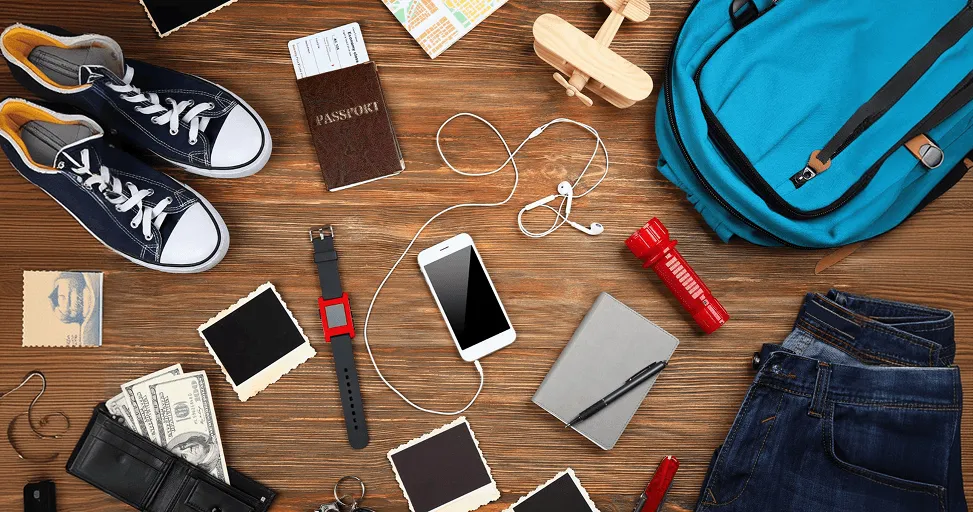
Best Travel Gadgets for Smarter Trips in 2026
Traveling today is very different from what it was ten or fifteen years ago. There was a time when people carried printed boarding passes, paper maps, guidebooks, and folders full of travel documents. Now, most of that information lives inside a smartphone. Yet despite all the technology we carry, travel still comes with its fair share of frustrations.
Batteries die at the worst possible moments. Luggage occasionally goes missing. Internet connections become unreliable. Language barriers create confusion. Long flights feel even longer than they should. That’s why travel gadgets continue to evolve.
What’s interesting is that the best travel gadgets in 2026 aren’t necessarily the most advanced or futuristic. They’re the ones that quietly solve common travel problems without demanding much attention. And, those are usually the gadgets that end up staying in our bags, trip after trip.
A Power Bank Is Still Every Traveler’s Best Friend
No matter how much smartphone technology improves, one problem never seems to disappear. Battery anxiety. Think about how much your phone does while you’re traveling. It’s your boarding pass.
While traveling, your phone becomes your map, translator, camera, hotel reservation system, travel planner, and emergency contact tool all at the same time.
In many ways, your phone has become the most important item you carry. That’s why running out of battery while traveling feels far more stressful than it used to.
A good power bank isn’t exciting. Nobody buys one because it’s fun. But the moment you’re sitting in an airport with a 5% battery and a delayed flight, it suddenly becomes the most valuable thing in your backpack.
Smart Luggage Trackers Are Providing Peace of Mind
Most travelers have experienced that moment of standing beside a baggage carousel and waiting. And waiting. And waiting.
As more suitcases appear, your confidence slowly starts disappearing. Lost luggage remains one of the biggest travel worries, which explains why luggage trackers have become so popular. What people like isn’t necessarily the technology itself. It’s the reassurance.
Knowing where your bag is can remove a surprising amount of stress from a trip. Even if a bag is delayed, having visibility into its location makes the situation feel much easier to manage. For frequent travelers, that’s often reason enough to carry a tracker.
Noise-Canceling Earbuds Make Travel Feel Less Exhausting
Airports are noisy. Airplanes are noisy. Train stations are noisy. Even hotel lobbies can sometimes feel overwhelming after a long day.
That’s one reason noise-canceling earbuds have become such a popular travel accessory. The difference can be surprisingly dramatic.
A crowded airport suddenly feels calmer. A long flight becomes easier to tolerate. Background noise fades away enough for you to focus on music, movies, podcasts, or simply your own thoughts.
What I find interesting is that many travelers initially buy noise-canceling earbuds for entertainment and then end up appreciating them even more for the quiet they create.
Portable Wi-Fi Devices Are Becoming More Useful
One challenge many travelers face is staying connected. Public Wi-Fi isn’t always reliable. Roaming charges can be expensive. And finding local mobile plans isn’t always convenient. This is where portable Wi-Fi devices continue attracting attention.
For people who work remotely, travel frequently, or simply want reliable internet wherever they go, these devices can be incredibly useful. There’s something comforting about knowing you’ll have internet access when you need it, especially when you’re navigating an unfamiliar city or trying to coordinate travel plans.
Smart Glasses Are Starting to Make Sense for Travelers
A few years ago, smart glasses felt like technology looking for a purpose. Today, they’re beginning to find one. Travel might actually be one of the areas where they make the most sense.
Imagine exploring a new city while receiving directions without constantly checking your phone. Imagine seeing translations while reading signs in another language. Imagine accessing information naturally while keeping your attention on the world around you.
We’re still in the early stages of this technology, but it’s becoming easier to see why travelers are interested. The goal isn’t replacing your phone. It’s reducing how often you need to use it.
Compact Chargers Are Solving a Modern Problem
Modern travel comes with a surprising number of cables. Between phones, laptops, earbuds, smartwatches, and tablets, travelers often find themselves carrying an entire collection of charging cables and adapters.
Sometimes it feels like you’re packing more charging equipment than clothing. Fortunately, compact multi-device chargers are making life easier. Instead of carrying several separate adapters, travelers can often charge multiple devices from a single compact charger. It may not be the most exciting gadget you’ll buy this year, but it can definitely make packing simpler.
And experienced travelers know that simple solutions often make the biggest difference.
Translation Devices Continue Improving
Language barriers have always been part of travel. For some people, that’s part of the adventure. For others, it can be intimidating. Translation technology has improved dramatically over the past few years, making communication easier than ever before.
Whether you’re asking for directions, reading menus, or having conversations with locals, modern translation devices can help bridge communication gaps that once felt difficult to overcome. They’re not perfect.
But they’re becoming good enough that many travelers now consider them genuinely useful rather than simply impressive.
Portable Phone Stands Are More Helpful Than They Sound
This is one of those gadgets people rarely think about until they own one. Then they start using it everywhere. During flights. In hotel rooms. During video calls. While watching movies. While working remotely.
A small foldable phone stand doesn’t sound particularly exciting, but travel has a way of making you appreciate practical solutions.
Anything that makes a long journey more comfortable tends to earn a permanent place in your travel bag.
The Best Travel Gadgets Usually Solve Simple Problems
One thing I’ve learned from traveling is that small inconveniences can quickly become major frustrations. A low battery can disrupt an entire day. Poor internet can create unexpected stress. Background noise can make a long flight feel even longer. The most useful travel gadgets aren’t usually the most advanced ones.
They’re the ones that quietly remove those little annoyances before they become bigger problems. And that’s why travelers continue relying on them.
Final Thoughts
Travel gadgets have become smarter over the years, but the goal remains the same. They exist to make travel easier. Not more complicated. The best gadgets aren’t the ones packed with the most features. They’re the ones that reduce stress, save time, and help you focus on the reason you’re traveling in the first place.
In the end, nobody remembers a trip because of the gadgets they packed. They remember the experiences. The right gadget simply helps make those experiences a little smoother along the way.
Trending Blogs
Best Android Settings to Change After Buying a New...
Set up your new Android phone properly with key settings for notifications, permissions, display, security, backup, and battery.
iOS vs Android in 2026: Which Is Better for You?
Learn the practical differences between iPhone and Android phones so users can decide which platform fits their needs better.
Best iPhone Settings to Change for Privacy in 2026
Improve iPhone privacy by reviewing app permissions, location sharing, ad tracking, Safari settings, and security recommendations.
Apple Intelligence in iOS: What It Can Actually Do
Explore what Apple Intelligence can do on supported iPhones and how it may improve productivity, communication, and personalization.
iOS 26 Features Explained for Everyday iPhone User...
Learn how iOS 26 changes the iPhone experience with updated visuals, smarter tools, better communication, and everyday convenience features.
Android Foldables: What Users Should Know Before B...
Compare foldable phone benefits and drawbacks, including screen durability, app support, multitasking, battery life, cameras, and price.