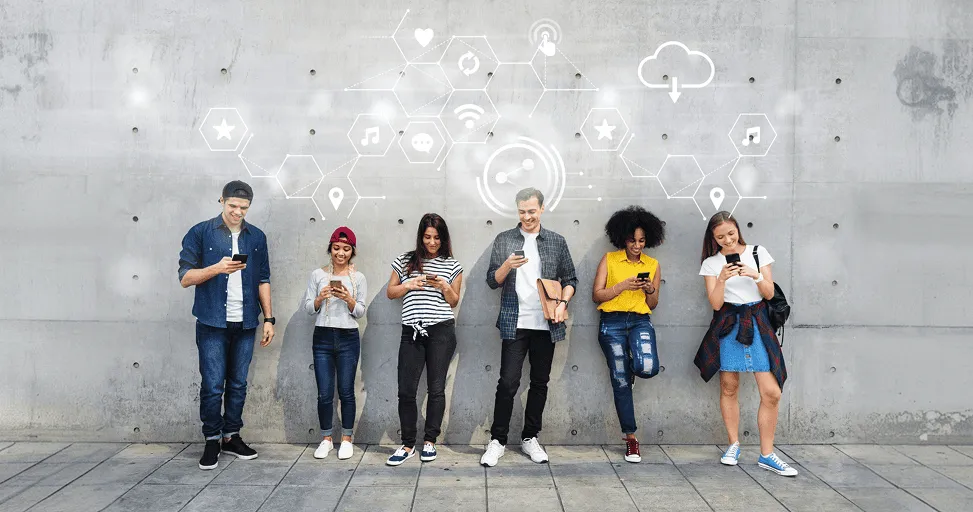
Biggest Tech Trends People Are Searching for in 2026
If there’s one thing technology does well, it’s reminding us how quickly things can change. It feels like every few months there’s a new app, a new device, or a new piece of technology that everyone suddenly seems to be talking about.
One day, nobody had heard of it. The next day, it’s everywhere. Friends are discussing it. Businesses are using it. Social media is filled with it. And people are searching online, trying to figure out what all the fuss is about.
What’s interesting about 2026 is that people aren’t just searching for the latest technology because they’re curious. They’re searching because they want to know how these tools fit into their everyday lives.
Can they save time?
Can they make work easier?
Can they help a business grow?
Can they simplify daily tasks?
The conversation has become much more practical. Instead of asking, “What is this technology?” People are asking, “How can I actually use it?” Here are some of the biggest technology trends attracting attention in 2026.
Artificial Intelligence Is Everywhere Now
You can’t spend much time online without running into AI. A few years ago, artificial intelligence felt like something that belonged to tech companies and researchers. Now it seems like everyone is using it in some form. Students use it for studying. Businesses use it for customer support. Writers use it for brainstorming. Designers use it for ideas.
Even people who aren’t particularly interested in technology have probably interacted with AI recently without realizing it.
What’s changed isn’t just the technology itself. It’s how normal it has become. I’ve noticed that people are no longer asking whether AI is useful. They’re trying to figure out which AI tools are worth using and which ones aren’t. That’s a very different conversation.
People Want Technology That Saves Time
One thing that keeps appearing across multiple tech trends is the desire to save time.
Life feels busier than ever. Between work, family responsibilities, notifications, meetings, and endless to-do lists, most people are constantly looking for ways to save time. That's one reason automation tools continue attracting attention.
So whenever a new tool promises to eliminate repetitive tasks, people pay attention. That’s why automation tools continue gaining popularity. Businesses are automating emails. Content creators are automating parts of their workflow. Teams are automating repetitive administrative tasks. Nobody is trying to avoid work completely. They simply want to spend less time on tasks that don’t require much thought. And honestly, that’s something most people can relate to.
AI Search Is Changing How People Find Answers
Think about how people used to search online. You’d type a few keywords into a search engine and then spend several minutes opening different websites until you found the answer.
Now people are becoming more comfortable asking complete questions. Almost like they’re having a conversation. Instead of searching: “best laptop for students,” People search: “What’s the best laptop for a college student who needs good battery life?” It’s a small change. But it completely changes how information is delivered.
I’ve noticed that many people now expect immediate answers rather than long lists of links. That’s one reason AI-powered search tools continue attracting attention.
Smart Homes Are Becoming More Common
Not long ago, smart homes sounded expensive and complicated. Now they’re surprisingly normal.
Video doorbells, smart lighting, voice assistants, smart thermostats, and connected security cameras have become surprisingly common in many homes. What once felt futuristic now feels like a normal part of everyday life.
Many homeowners already use at least one of these without thinking much about it. What’s interesting is that people aren’t buying these products because they’re obsessed with technology. They’re buying them because they’re convenient. A doorbell camera helps with deliveries. Smart lights save a few steps. A thermostat makes the house more comfortable. Small improvements. But people notice improvements every day.
Cybersecurity Is Finally Becoming a Mainstream Concern
For years, cybersecurity felt like something only IT professionals worried about. That’s changing. People are becoming more aware of online scams, phishing emails, data breaches, and privacy concerns.
And honestly, it’s easy to understand why. Most of our lives now exist online in some form.
- Banking
- Shopping
- Communication
- Work
- Personal information
The more connected we become, the more important security becomes. I’ve noticed that people are actively searching for ways to stay safer online rather than waiting until something goes wrong. That’s probably one of the healthiest technology trends we’ve seen in years.
Short-Form Video Continues to Dominate
If you’ve opened Instagram, YouTube, TikTok, or Facebook recently, you’ve probably noticed the same thing.
Video is everywhere
And not just long videos
Short videos
Quick tutorials
Fast tips
Product demonstrations
Educational content
Entertainment
People love information they can consume in under a minute. That’s why creators, businesses, and marketers continue searching for tools that help them create videos faster.
Editing apps
AI caption generators
Video creation platforms
Demand keeps growing because video continues attracting attention online.
Remote Work Technology Is Still Evolving
Years ago, remote work felt like an exception. Today, for many people, it’s simply part of life. As a result, technology supporting remote work continues improving.
Better collaboration tools
Smarter meeting software
Cloud-based workspaces
Project management platforms
I’ve noticed that people aren’t searching for remote work tools because they’re trendy. They’re searching because they need solutions that make everyday work easier. And when technology genuinely helps people stay productive, adoption tends to happen naturally.
Wearable Technology Is Becoming More Useful
Smartwatches used to be viewed as gadgets. Now, many people rely on them every day.
Fitness tracking
Health monitoring
Notifications
Navigation
Payments
Sleep tracking
The list keeps growing. What’s interesting is that wearable technology has become less about showing off technology and more about providing useful information. People like tools that fit naturally into their routines. Wearables have become exactly that.
The Biggest Trend Isn’t Technology
This might sound surprising. But after watching technology evolve over the past few years, I think the biggest trend isn’t any specific device, platform, or software. It’s something much simpler. The excitement around new technology doesn’t last forever. Eventually, people ask practical questions.
Does it save time?
Does it make life easier?
Is it actually useful?
The products and services that survive are usually the ones that can answer “yes” to those questions.
Looking Ahead
Technology will continue changing. It always does. New tools will appear. New trends will emerge. Some will disappear within months. Others will become part of everyday life.
But if 2026 has shown us anything, it’s that people are becoming more selective. They’re less interested in technology for the sake of technology. They’re more interested in solutions. Tools that help them work better.
Learn faster. Stay connected. Save time. And simplify life. And honestly, that’s probably where technology creates the most value anyway.
Trending Blogs
Best Android Settings to Change After Buying a New...
Set up your new Android phone properly with key settings for notifications, permissions, display, security, backup, and battery.
iOS vs Android in 2026: Which Is Better for You?
Learn the practical differences between iPhone and Android phones so users can decide which platform fits their needs better.

Best iPhone Settings to Change for Privacy in 2026
Improve iPhone privacy by reviewing app permissions, location sharing, ad tracking, Safari settings, and security recommendations.
Apple Intelligence in iOS: What It Can Actually Do
Explore what Apple Intelligence can do on supported iPhones and how it may improve productivity, communication, and personalization.

iOS 26 Features Explained for Everyday iPhone User...
Learn how iOS 26 changes the iPhone experience with updated visuals, smarter tools, better communication, and everyday convenience features.
Android Foldables: What Users Should Know Before B...
Compare foldable phone benefits and drawbacks, including screen durability, app support, multitasking, battery life, cameras, and price.