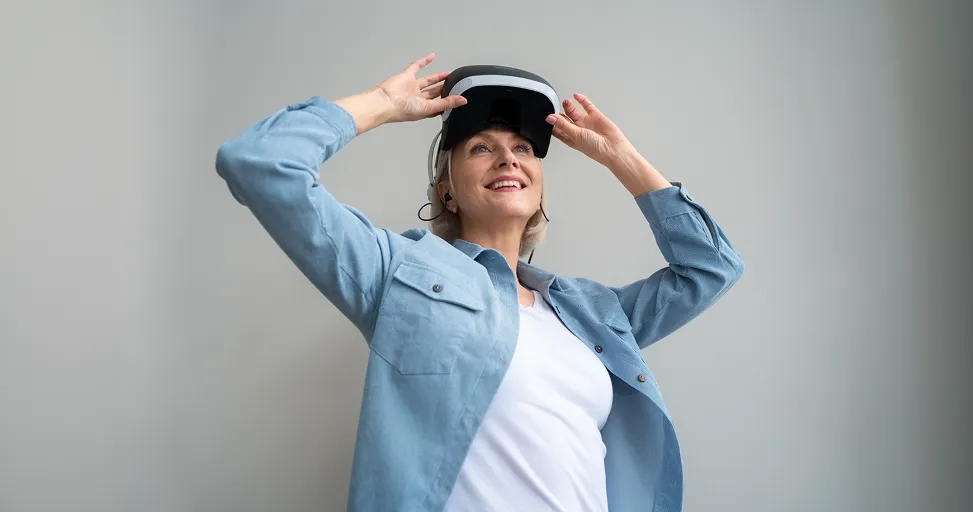
How Smart Glasses Are Moving Beyond Just a Cool Gadget
A few years ago, smart glasses felt like one of those products people loved talking about but rarely bought. You’d see them in tech videos. Read about them in product announcements. Watch someone demonstrate them online. And then move on with your day. Most people thought they were interesting. Some thought they looked futuristic. Others weren’t entirely sure what problem they were supposed to solve.
I remember conversations where people would react to smart glasses with something like:
“That’s pretty cool.” Followed almost immediately by: “But why would I need them?” And honestly, that was a fair question. For a long time, smart glasses felt more like a glimpse into the future than something designed for everyday life.
Fast forward to 2026, and the conversation is starting to change. People aren’t just asking what smart glasses can do anymore. They’re asking whether smart glasses can actually make certain parts of life easier. And that’s a very important shift. Because the technologies that succeed are usually the ones that solve real problems, not the ones that simply look impressive.
Technology Is Most Powerful When You Stop Thinking About It
One thing I’ve noticed over the years is that successful technology often becomes invisible. Think about your smartphone. You probably don’t spend much time thinking about the technology inside it. You just use it.
You send messages
Take photos
Check directions
Watch videos
The technology quietly does its job in the background. Smart glasses seem to be moving in that direction. The goal isn’t to make people constantly think about wearing smart glasses. The goal is to make certain tasks feel easier without requiring extra effort. And that’s where things are starting to get interesting.
Looking at Your Phone All Day Gets Old
Most of us spend a lot of time looking at our phones. Probably more than we’d like to admit.
We check notifications
Look up directions
Reply to messages
Search for information
Check calendars
Read emails
The habit has become automatic. Sometimes you pull out your phone without even realizing you’re doing it. Smart glasses offer an alternative approach.
Instead of constantly reaching into your pocket, some information can appear when you need it without interrupting what you’re doing. That might not sound revolutionary. But small conveniences have a funny way of becoming important once you experience them regularly.
Navigation Is a Great Example
Think about the last time you visited an unfamiliar place. You probably followed directions on your phone.
Walk for a minute
Check the map
Walk another minute
Check again
Repeat
We’ve all done it. There’s nothing wrong with it. But it does interrupt the flow of moving around. This is one area where smart glasses actually make a lot of sense. Directions can appear while you’re already looking ahead.
You spend less time staring down at a screen and more time paying attention to where you’re going. It’s one of those features that sounds minor until you imagine using it every day. Then it starts feeling surprisingly practical.
Travel Could Become Easier
One thing that excites many people about smart glasses is the potential for real-time translation. Anyone who has traveled to a country where they don’t speak the language understands how challenging simple interactions can sometimes be.
Something as simple as ordering food, reading signs, asking for directions, or understanding local instructions can become challenging when there’s a language barrier.
Translation apps already help with these situations. But smart glasses have the potential to make the process feel more natural. Instead of pulling out a phone every few minutes, information can appear while you’re already looking at the world around you.
We’re still not at the point where language barriers completely disappear. But the technology is moving closer than many people expected.
Smart Glasses Are Finding Their Place at Work
Interestingly, some of the strongest uses for smart glasses aren’t happening in coffee shops or living rooms. They’re happening in workplaces. Imagine a technician repairing equipment while seeing instructions in front of them.
A warehouse employee receiving information without stopping what they’re doing. A healthcare professional accessing data while keeping their focus on a patient. These aren’t futuristic ideas anymore. There are practical situations where smart glasses can genuinely help. And when businesses start finding real value in a technology, adoption tends to accelerate.
People Care Less About the Technology and More About the Result
One thing I’ve noticed whenever new technology becomes mainstream is that people stop talking about the technology itself. Nobody buys a smartphone because they’re excited about processors. They buy it because they want a better phone.
The same thing is happening with smart glasses. People don’t really care about sensors, displays, or technical specifications. They care about outcomes.
Most people aren’t interested in the underlying technology. They want to know whether it saves time, makes life easier, or helps them accomplish tasks more efficiently.
Those are the questions that matter. And smart glasses are finally starting to provide answers.
The Design Problem Is Improving
Let’s talk about something that doesn’t get discussed enough. Appearance. People wear glasses on their faces. That’s very different from carrying a phone in a pocket. For smart glasses to become popular, people actually need to feel comfortable wearing them.
The good news is that manufacturers seem to understand this. The newest models look much closer to regular eyewear than earlier versions. And honestly, that’s a bigger deal than many people realize. People are far more likely to adopt technology when it blends naturally into their daily lives.
The Biggest Change Is That People Are Taking Them Seriously
Perhaps the strongest sign of progress isn’t a technical improvement. It’s a change in perception. A few years ago, smart glasses felt like a novelty.
People were curious. But they weren’t necessarily interested in owning them. Today, more people are evaluating them as real products. They’re comparing features. Considering practical uses. Thinking about whether they fit their lifestyle. That’s a completely different conversation. And it’s often the moment when a technology starts moving from niche to mainstream.
In the End
Will smart glasses replace smartphones tomorrow? Probably not. Most people still rely heavily on their phones, and that isn’t likely to change anytime soon.
But smart glasses don’t need to replace smartphones to succeed. They simply need to do certain things better. And little by little, that’s what they’re starting to accomplish. Making navigation easier. Making information more accessible.
Helping people stay connected without constantly staring at a screen. At the end of the day, the most interesting thing about smart glasses isn’t that they look futuristic anymore.
It’s that they’re slowly becoming useful. And if technology history has taught us anything, usefulness usually matters much more than novelty. That’s why smart glasses are beginning to feel less like a cool gadget and more like something people might genuinely want to use every day.
Trending Blogs
Best Android Settings to Change After Buying a New...
Set up your new Android phone properly with key settings for notifications, permissions, display, security, backup, and battery.
iOS vs Android in 2026: Which Is Better for You?
Learn the practical differences between iPhone and Android phones so users can decide which platform fits their needs better.
Best iPhone Settings to Change for Privacy in 2026
Improve iPhone privacy by reviewing app permissions, location sharing, ad tracking, Safari settings, and security recommendations.
Apple Intelligence in iOS: What It Can Actually Do
Explore what Apple Intelligence can do on supported iPhones and how it may improve productivity, communication, and personalization.
iOS 26 Features Explained for Everyday iPhone User...
Learn how iOS 26 changes the iPhone experience with updated visuals, smarter tools, better communication, and everyday convenience features.
Android Foldables: What Users Should Know Before B...
Compare foldable phone benefits and drawbacks, including screen durability, app support, multitasking, battery life, cameras, and price.