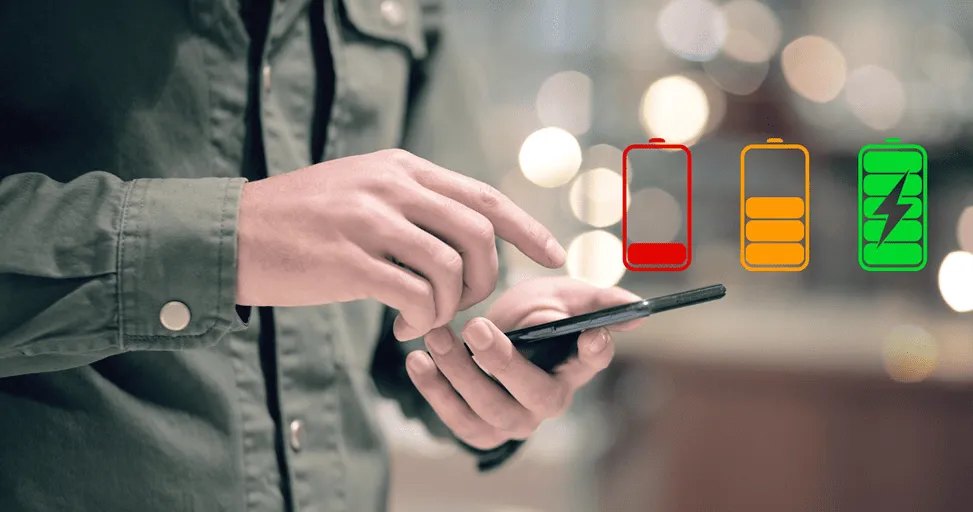
Why Battery Life Is Still the Biggest Tech Problem in 2026
For all the incredible technology we have today, it’s surprising that one of the most common frustrations hasn’t really changed. battery life.
Think about it. We have phones that can edit videos, translate languages in real time, generate AI-powered content, and take photos that rival dedicated cameras. We have smartwatches that track our health around the clock. Wireless earbuds that can block out the noise of a busy airport. Laptops powerful enough to handle work, entertainment, and creative projects from almost anywhere.
Yet despite all that progress, people are still asking the same question they’ve been asking for years: “Why does my battery drain so fast?” It’s almost ironic. Technology keeps getting smarter.
But we’re still carrying chargers, power banks, and charging cables everywhere we go. And that’s why battery life remains one of the biggest challenges in technology in 2026.
Our Devices Are Working Harder Than Ever
One thing people often forget is how much work modern devices are doing behind the scenes. Take your smartphone, for example. Most of us don’t just use our phones for calls and messages anymore.
They have become our cameras, navigation systems, entertainment centers, shopping assistants, work devices, travel planners, and even digital wallets. We rely on them for almost everything throughout the day.
They’re constantly connected, constantly updating, and constantly processing information. The reality is that we’re asking our devices to do far more than we did five or ten years ago. And all of that activity requires power.
We Use Technology More Than We Realize
Sometimes I think the real problem isn’t just battery technology. It’s how dependent we’ve become on our devices. Pick up your phone and check your screen time. The number might surprise you. Many people start using their phones shortly after waking up and continue using them throughout the day.
-
Checking emails
-
Watching videos
-
Browsing social media
-
Using maps
-
Taking photos
-
Listening to music
-
Making payments
-
Joining video calls
The device rarely gets a break. So it’s not surprising that the battery doesn’t either.
Bigger Screens Look Amazing but Come at a Cost
Nobody wants to go back to small, dull smartphone screens. We’ve become used to large displays with bright colors, smooth scrolling, and impressive image quality. And who can blame us?
Modern displays look fantastic. Videos are more enjoyable to watch, games feel smoother, and reading on a phone is more comfortable than ever before.
Everything simply looks more polished. The problem is that these beautiful displays consume a lot of energy. Every improvement we’ve enjoyed over the years has added more pressure to battery life.
-
We love bigger screens.
-
We love brighter screens.
-
We love higher refresh rates.
But those improvements don’t come for free.
AI Is Making Devices Smarter and Hungrier
You can’t talk about technology in 2026 without talking about AI. It’s everywhere. Your phone uses it. Your laptop uses it. Your smartwatch probably uses it. Even your earbuds may be relying on AI features.
The best part is that AI makes devices more helpful. Photos look better. Voice assistants understand us more accurately. Translation tools work faster. Search results feel more useful. The challenge is that all of this requires processing power. And processing power requires energy.
It’s a bit like upgrading from a small car to a powerful sports car. You’ll get more performance. But you’ll probably use more fuel. The same idea applies to modern technology.
Fast Charging Has Made Life Easier
If there’s one area where technology has improved dramatically, it’s charging speed. A few years ago, charging your phone could feel like a lengthy process. Today, many devices can recover a significant amount of battery in a surprisingly short time.
That’s definitely a good thing. But if we’re being honest, fast charging doesn’t actually solve the battery problem. It simply makes it less frustrating.
People still need to stop and charge their devices. They’re just spending less time doing it. It’s a helpful improvement. But it’s not the same as having a battery that lasts dramatically longer.
We Don’t Just Charge Phones Anymore
Another reason battery life feels like such a major issue is that most people own multiple devices now. Think about your average day. You might charge:
-
Your smartphone
-
Your smartwatch
-
Your wireless earbuds
-
Your laptop
-
Your tablet
-
Maybe even a portable gaming device.
That’s a lot of charging. Sometimes it feels like managing batteries has become a part-time job. One device is charging while another is running low. And just when you’re finished charging one gadget, another one needs attention. It’s no wonder people feel frustrated.
Battery Technology Isn’t Moving as Fast as Everything Else
This is probably the biggest reason battery life continues to be such a challenge. Most technology improves at an incredible pace. Every year, devices become faster, smarter, and more capable. Battery improvements happen, too. But they tend to happen much more slowly. That’s not because companies aren’t trying.
Battery technology is simply more difficult to revolutionize than software or processors. As a result, manufacturers spend a lot of time focusing on efficiency rather than breakthrough battery improvements. They’re constantly looking for ways to help devices do more while using less power.
And while that helps, it doesn’t eliminate the problem.
Battery Life Is Something People Notice Immediately
Most people won’t notice if a processor becomes slightly faster. Many won’t notice minor software improvements. But everyone notices battery life.
If your phone dies before the end of the day, you’ll remember it.
If your earbuds run out of battery during a long flight, you’ll notice.
If your smartwatch constantly needs charging, it becomes part of your routine.
Battery life affects daily life in a very direct way. That’s why people care about it so much. And that’s why it remains one of the first things people ask about when buying a new device.
People Want Freedom More Than Features
I think this is something technology companies understand very well. Most users don’t wake up hoping for another complicated feature. What they really want is freedom.
-
Freedom from carrying chargers everywhere.
-
Freedom from constantly checking battery percentages.
-
Freedom from worrying whether a device will survive the rest of the day.
Long battery life creates confidence. You stop thinking about charging. You stop planning around battery levels. You simply use your devices. And that’s the experience people are really looking for.
The Future Might Be Smarter, Not Bigger
When people imagine better battery life, they often imagine larger batteries. But the future may not work that way. Instead, companies are focusing on smarter devices.
-
More efficient processors.
-
Better software optimization.
-
Improved power management.
AI systems that help reduce energy consumption rather than increase it. The goal isn’t always to pack in a larger battery. Sometimes it’s to make every percentage of battery last longer. And that approach may ultimately be more practical.
Final Thoughts
It’s funny how one of the oldest technology problems remains one of the biggest. We live in a world filled with AI, smart devices, cloud computing, and incredible innovations. Yet many of us still carry chargers everywhere we go.
The reality is that battery life isn’t a problem because technology has stopped improving. It’s a problem because everything else has improved so quickly. Our devices can do more than ever before. And every new capability places additional demands on battery performance.
People don’t really want more battery statistics. They want something much simpler. A phone that lasts through the day. Earbuds that survive a long trip. A smartwatch that doesn’t constantly need charging.
In other words, they want technology they don’t have to think about. And until we reach that point, battery life will continue to be one of the biggest conversations in tech.
Trending Blogs
Best Android Settings to Change After Buying a New...
Set up your new Android phone properly with key settings for notifications, permissions, display, security, backup, and battery.
iOS vs Android in 2026: Which Is Better for You?
Learn the practical differences between iPhone and Android phones so users can decide which platform fits their needs better.
Best iPhone Settings to Change for Privacy in 2026
Improve iPhone privacy by reviewing app permissions, location sharing, ad tracking, Safari settings, and security recommendations.
Apple Intelligence in iOS: What It Can Actually Do
Explore what Apple Intelligence can do on supported iPhones and how it may improve productivity, communication, and personalization.
iOS 26 Features Explained for Everyday iPhone User...
Learn how iOS 26 changes the iPhone experience with updated visuals, smarter tools, better communication, and everyday convenience features.
Android Foldables: What Users Should Know Before B...
Compare foldable phone benefits and drawbacks, including screen durability, app support, multitasking, battery life, cameras, and price.